

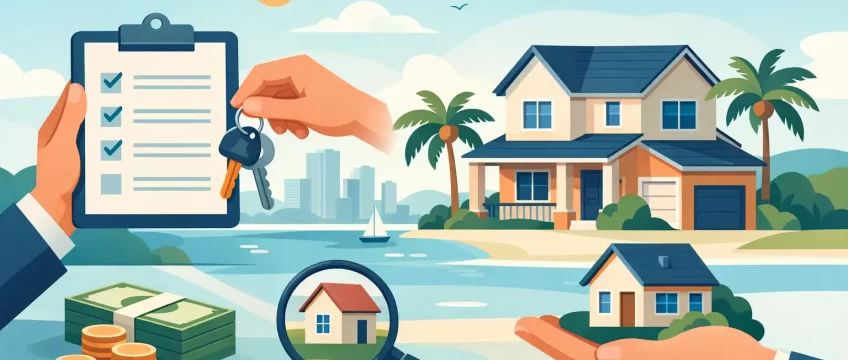
Florida house hunting can feel exciting right up until the moment you realize every city, loan option, and listing seems to come with its own rules. A condo in Miami raises different questions than a single-family home in Ocala. A new build near Orlando is a different process than buying an older home in Tampa or Homestead. If you are wondering how to buy a house in Florida without getting overwhelmed, the key is to break the process into smart, manageable steps.
The good news is that buying in Florida does not have to feel confusing when you know what to expect. Whether you are a first-time buyer, relocating from another state, or looking for an investment property, the process gets much easier when you prepare early, understand the local costs, and work with people who stay responsive from start to finish.
How to buy a house in Florida without costly surprises
A lot of buyers start with listings. That makes sense, but the stronger move is to start with your numbers. Before you fall in love with a home, get clear on what you can comfortably afford each month, not just what a lender may approve.
In Florida, your monthly payment can include more than principal and interest. Property taxes vary by county. Homeowners insurance can be a major factor, especially in coastal areas or older homes. If you are buying in a community with an HOA, that monthly fee matters too. For condo buyers, association budgets, reserves, and special assessments deserve close attention.
That is why the first real step is a mortgage pre-approval. A pre-approval gives you a more realistic price range, shows sellers you are serious, and helps your agent move quickly when the right property hits the market. If you are a cash buyer, you still want a clear proof-of-funds plan before you begin making offers.
Understand what you can spend, not just what you can borrow
There is often a gap between lender approval and real-life comfort. A buyer may qualify for one number but prefer another after accounting for childcare, commuting, travel, or savings goals. That is not being too cautious. It is being smart.
If you are buying your primary home, leave room in your budget for repairs, moving costs, furnishings, and utility setup. If you are buying as an investor, run the numbers with vacancy, insurance, taxes, and maintenance in mind. The better your math is upfront, the fewer regrets you face after closing.
Choose the right Florida market for your lifestyle
Florida is not one market. It is many local markets moving at different speeds and offering different trade-offs. Buyers relocating from out of state sometimes focus only on price, but the better question is how you want to live.
If you want strong job access, entertainment, and newer development, areas around Orlando, Tampa, and Miami often attract attention. If you want more space or a quieter pace, markets like Ocala, Palatka, Deltona, or Lake Alfred may fit better. Lake Mary may appeal to buyers who want a suburban feel with access to business corridors. Homestead can be attractive for buyers who want South Florida access with a different pace than central Miami.
Commute time, school options, flood risk, HOA rules, rental restrictions, and future development all matter. So does inventory. In one city, your budget may buy a move-in-ready home. In another, the same budget may mean an older property needing updates. Neither is automatically better. It depends on your priorities.
Neighborhood research matters as much as bedroom count
A home can be updated later. Location is harder to change. Look beyond the listing photos and ask practical questions. How long will your drive really be during rush hour? Are there short-term rental restrictions if that matters to you? Has the area seen strong appreciation, or is it leveling off? Is the property in a flood zone?
These details can shape both your day-to-day life and your long-term costs.
Build the right team early
Buying a home in Florida usually goes more smoothly when your agent, lender, title company, and inspector are aligned early. Delays often happen when communication breaks down, not just when the market gets competitive.
A strong real estate team helps you compare neighborhoods, spot red flags in listings, write a solid offer, and negotiate based on local market conditions. This matters even more if you are buying from out of state or need bilingual communication for your household. Responsive guidance can save you time, stress, and money.
The VanCruz Group is built around that kind of hands-on support, which is especially helpful for buyers who do not want to feel like they are chasing updates on their own.
Start touring with a strategy
Once you are pre-approved and clear on your priorities, it is time to tour homes. This is where emotions can start to take over, so it helps to separate must-haves from nice-to-haves before you walk in.
A practical shortlist usually includes location, budget, minimum bedroom count, and any non-negotiables like a first-floor primary suite, fenced yard, or low-maintenance layout. Nice-to-haves might include updated finishes, a pool, or a larger lot.
In Florida, buyers should also pay attention to a few state-specific details while touring. Ask about the roof age, HVAC age, and water heater age. Check whether the windows have impact protection or shutters. Ask whether the home has had prior water intrusion, sinkhole claims, or insurance issues. For condos and townhomes, look closely at association rules and fees.
A house can look perfect online and still become expensive if major systems are nearing the end of their life.
Make a strong offer based on the local market
There is no single formula for the perfect offer in Florida because pricing strategy depends on the area, the property type, and how competitive the listing is. Some homes get multiple offers in days. Others sit because they are overpriced, poorly marketed, or need work.
Your offer should reflect current comparables, seller motivation, condition, and timing. Price matters, but so do terms. A cleaner offer with fewer contingencies, flexible closing timing, or stronger earnest money may appeal to a seller even if another buyer offers slightly more.
That said, waiving protections just to win can backfire. If the home has condition concerns, inspection rights are valuable. If financing is involved, understanding appraisal risk matters. The goal is not just to get under contract. The goal is to get the right house on terms that still protect you.
Negotiation in Florida is about more than price
Repairs, seller credits, closing cost contributions, and occupancy timing can all become part of the conversation. In a slower pocket of the market, buyers may have more room to negotiate. In a hotter area, speed and clean paperwork may matter more. This is one of those moments where local guidance makes a real difference.
Inspections, insurance, and due diligence
After your offer is accepted, the due diligence period begins. This is where buyers should stay calm, ask questions, and avoid rushing through important details.
A home inspection is one of the most valuable steps in the process. Florida homes face heat, humidity, storms, and moisture issues that can affect roofs, plumbing, electrical systems, and structural components. Depending on the property, you may also want specialized inspections for mold, termites, sewer lines, or the roof.
Insurance is another major Florida factor. Premiums can vary widely based on age, location, roof condition, and proximity to the coast. Buyers are often surprised by how much insurance affects monthly affordability, so it is wise to gather quotes early in the contract period rather than waiting until the last minute.
If the property is in a flood-prone area, ask about flood insurance too. Even if it is not required by your lender, it may still be worth considering based on the location and your comfort level.
Appraisal, underwriting, and final approval
If you are financing the purchase, your lender will move through underwriting and order an appraisal. The appraisal is meant to confirm the home’s value for the loan. If it comes in at value, great. If it comes in low, there may be a need to renegotiate, bring in extra cash, or challenge the report depending on the facts.
Underwriting can feel quiet on the buyer side, but this is not the time to make big financial changes. Avoid opening new credit accounts, changing jobs if possible, or making major purchases that affect your debt-to-income ratio. Keep documents organized and respond quickly to lender requests.
Simple delays often come from missing paperwork, not major problems.
Closing day and what happens after
As closing approaches, you will review your final numbers, wire funds if needed, complete your walkthrough, and sign closing documents. The final walkthrough is your chance to confirm the property is in agreed condition and that any negotiated repairs were completed.
Before closing, set up utilities, confirm your homeowners insurance is active, and keep records of everything you sign. If you are moving from out of state, build in some cushion around your moving timeline in case the closing date shifts by a day or two.
Once the deal is funded and recorded, the home is yours. That is the milestone everyone sees. What matters just as much is how you got there – with a plan, good advice, and enough clarity to make decisions with confidence.
Buying in Florida can move fast, and every market has its own personality. But if you take the process one step at a time, ask better questions early, and stay focused on both the house and the bigger financial picture, homeownership here can feel a lot more achievable than it first appears.