

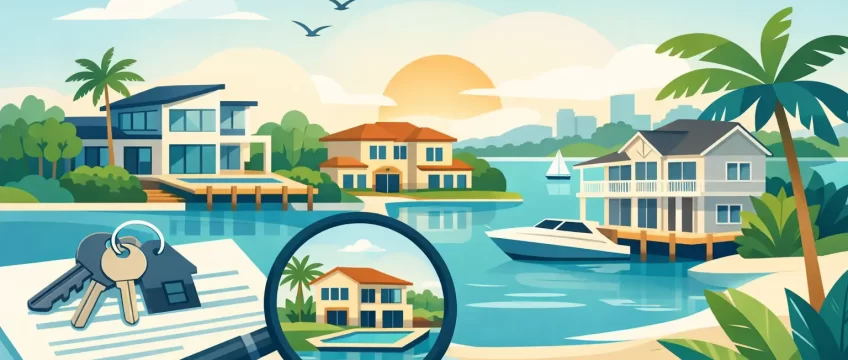
A backyard sunset over the water can make almost any Florida property feel like the right one. But when buyers start looking at florida homes for sale waterfront, the real questions come fast – saltwater or freshwater, dock or no dock, flood zone or not, full-time residence or investment hold.
Waterfront living in Florida can be an amazing lifestyle choice and, in the right market, a strong long-term asset. It can also come with higher carrying costs, maintenance needs, and location-specific risks that do not show up on a standard listing sheet. If you are shopping seriously, the best move is to look past the view for a minute and evaluate the whole property.
Why florida homes for sale waterfront attract so much demand
Florida is one of the few places where waterfront means more than one lifestyle. A buyer in Miami may be focused on boating access and luxury resale value. A family near Orlando may want a lakefront home with more privacy and room to grow. In Tampa, buyers may compare canal homes, bay access, and neighborhoods with stronger year-round demand. In smaller markets, buyers often find more space and lower entry prices on lakes, rivers, or canals.
That variety is exactly why waterfront homes hold so much appeal. For some people, it is personal – morning coffee by the water, better outdoor living, and a home that feels like a retreat even on a workday. For others, it is financial – limited inventory, strong buyer interest, and a property type that often stands out when it is time to sell.
The trade-off is simple. The same features that create demand can also create complexity. Waterfront is never just waterfront. The details matter.
Start with the kind of water, not just the house
One of the biggest mistakes buyers make is treating all waterfront homes the same. They are not.
Saltwater properties usually appeal to buyers who want boating, fishing, or direct access to larger water systems. These homes can carry a premium, especially when they include a usable dock, lift, or fast route to open water. They can also bring more exposure to corrosion, stricter insurance conversations, and higher maintenance on exterior materials.
Freshwater homes often offer a different value equation. Lakefront and riverfront properties can feel more private, more relaxed, and sometimes more attainable. They may be ideal for buyers who care more about scenery and usable outdoor space than coastal access. In many parts of Central Florida, freshwater waterfront can be a strong option for primary residence buyers who want lifestyle without some of the cost pressure of the coast.
Then there are canal-front homes, which need a closer look. Some canals offer excellent boat access. Others are mainly visual. A property described as waterfront may technically touch water but not deliver the experience you have in mind. That is why buyers should always ask how the water is used, what access rights exist, and whether the lot supports the lifestyle they want.
What matters most when comparing florida homes for sale waterfront
Location still drives value, but with waterfront, micro-location matters even more. Two homes in the same ZIP code can perform very differently based on water depth, seawall condition, flood exposure, bridge clearance, wake activity, and privacy.
A great-looking property can lose some of its appeal if the water behind it is difficult to navigate or if constant traffic affects the setting. On the other hand, a home that seems slightly less polished at first glance may have better long-term value because the lot is stronger, the shoreline is more usable, or the access is more desirable.
When comparing homes, buyers should slow down and look at the physical features that affect ownership day to day. That includes seawalls, docks, boat lifts, drainage, erosion, and the condition of exterior systems. It also includes practical questions like where water collects after storms, whether the yard is truly usable, and how much upkeep the shoreline requires.
For investors, the analysis shifts a bit. Rental appeal can be strong with waterfront homes, but operating costs can change the numbers quickly. A property that commands a premium nightly or monthly rate may still underperform if insurance, maintenance, and HOA restrictions cut too deeply into returns.
Insurance, flood zones, and ownership costs
This is where excitement needs to meet math.
Waterfront homes in Florida often come with higher insurance costs than inland properties, and those costs can vary widely by county, elevation, age of home, roof condition, and flood designation. Buyers should never assume they know the payment until they have real numbers from a lender and insurance professional.
Flood zones deserve careful attention, but they should not automatically scare you away. A home in a flood zone is not always a bad buy. A home outside one is not automatically low-risk. The smarter approach is to understand the property’s history, elevation, mitigation features, and actual insurance impact.
Beyond insurance, there are recurring costs many buyers underestimate. Seawalls need inspection and, eventually, repair or replacement. Docks age. Salt exposure wears on hardware, paint, screens, and mechanical systems. Landscaping near water can need more attention. If the property sits in an HOA community, there may also be architectural or usage rules that affect boats, short-term rentals, fences, or exterior changes.
None of this means waterfront is too expensive to own. It means the right purchase is one where the monthly and long-term costs still fit your goals comfortably.
Waterfront homes for primary buyers versus investors
A full-time home and an investment property should not be evaluated the same way.
Primary residence buyers usually care most about daily livability. That means the floor plan, school access, commute, outdoor usability, storm readiness, and whether the property still works well even when the weather is not perfect. A beautiful water view matters, but so does having enough storage for gear, a practical layout for family life, and a neighborhood that supports how you live.
Investors tend to focus more on demand, occupancy, resale strength, and expense control. In some Florida markets, waterfront inventory creates a clear pricing advantage and stronger renter interest. In others, the premium to buy can be so high that cash flow gets squeezed. It depends on the submarket, the condition of the property, and whether the home offers true differentiators rather than just a water label.
This is where local guidance matters. The same budget can buy very different waterfront opportunities in Orlando-area lakes, Tampa-area canals, Miami waterfront neighborhoods, or smaller inland communities. A team like The VanCruz Group can help buyers compare those trade-offs in a way that fits both lifestyle and numbers.
Questions buyers should ask before making an offer
The best waterfront purchases usually come from buyers who ask better questions early.
Ask about the age and condition of the seawall, dock, roof, and HVAC. Ask whether the property has had flooding, shoreline issues, or storm-related claims. Ask if there are permits for structures near the water and whether any improvements were added without full approval.
If boating matters, confirm water depth, tides if relevant, fixed bridge limitations, and whether there are any community restrictions. If the home is in an HOA, review the rules before you get emotionally attached. Some communities are flexible. Others are much more limiting than buyers expect.
For financing, make sure your lender is looking at the real total payment, not just the purchase price and taxes. On waterfront property, a deal that feels comfortable at first glance can look different once insurance and maintenance are fully accounted for.
How to shop smarter in a competitive waterfront market
The strongest buyers prepare before the perfect home hits the market. That means getting pre-approved, defining your non-negotiables, and deciding where you are flexible. Maybe open water access matters more than square footage. Maybe you would trade an older interior for a stronger lot and better shoreline. Knowing that ahead of time helps you move faster without making emotional decisions.
It also helps to separate lifestyle wants from resale needs. A very specific property can be wonderful if you plan to stay long term. But if future resale matters, broader appeal should stay part of the conversation. Homes with better access, more usable outdoor areas, and fewer ownership complications often hold attention better when it is time to sell.
Buyers do best when they stay curious, not rushed. A waterfront home can absolutely be the right move, but the right one is rarely chosen by view alone. It is chosen by balancing beauty with practical ownership, monthly cost with long-term value, and dream features with the way you will actually use the home.
If you are seriously considering waterfront in Florida, give yourself room to ask deeper questions. The right property should feel exciting, yes, but it should also feel clear.